private equity’s growing interest in college athletics
a reaction to private equity billionaire Marc Lasry's talk about buying college sports teams

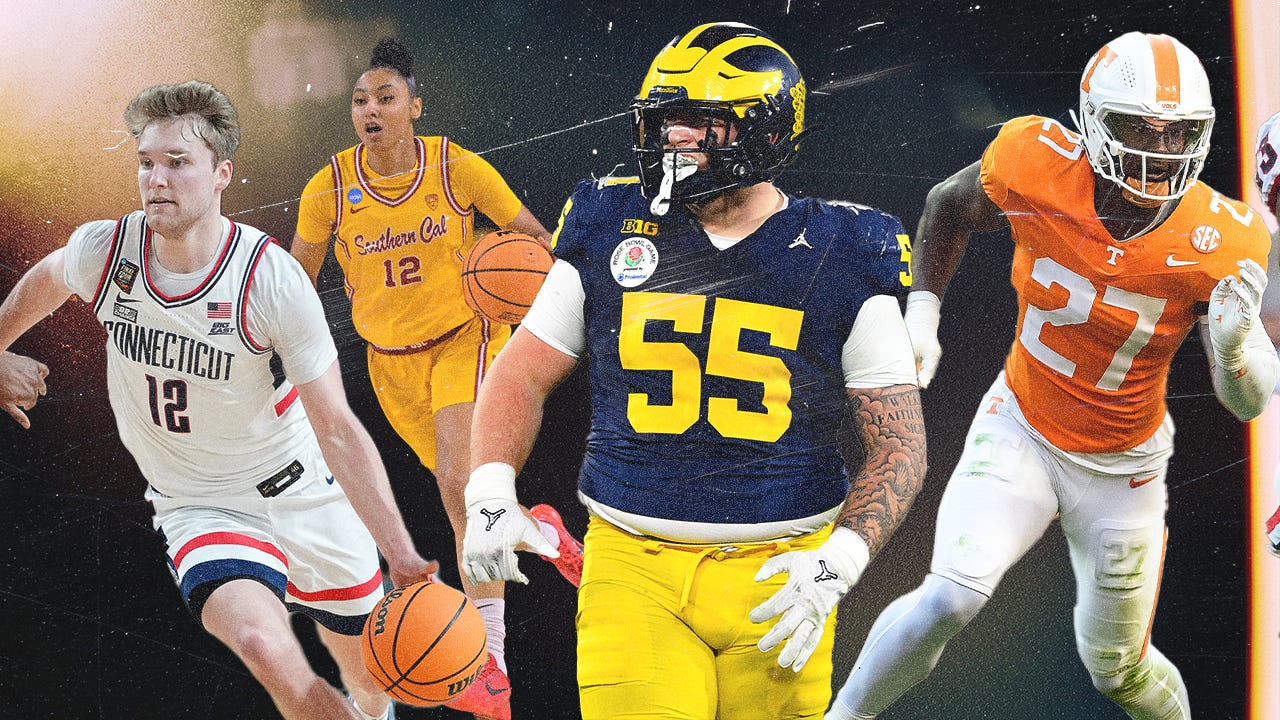
Should Private Equity Have a Place in College Sports?
A few days back I saw a video on Twitter (X) of former Milwaukee Bucks owner Marc Lasry who floated an idea that’s hard to ignore: he’s exploring buying stakes in college football and basketball teams. According to Lasry, certain colleges could sell a 51% stake in their programs at valuations between $500 million and $750 million, using the cash for NIL (Name, Image, and Likeness) deals and facility upgrades to attract better players.
See the full clip from Marc Lasry here.
I’ve been thinking about it ever since, and while it’s an interesting idea, it feels like one that might unravel the soul of college sports. Let’s talk through why this idea feels both inevitable and problematic and what it might mean for the future of the game.
The Case for Private Investment in College Sports
If we’re being objective, the logic behind Lasry’s proposal isn’t crazy. College sports programs have become massive businesses. The NCAA generated $1.3 billion in revenue in the 2023 fiscal year, primarily from TV rights and sponsorships. Top programs like Alabama football or Duke basketball already operate like professional teams, complete with billion-dollar media deals and stadium upgrades rivaling those of NFL franchises.
Private equity firms are naturally attracted to this kind of environment: steady cash flows, growing revenues, and a loyal customer base (fans). The basic model Lasry describes is simple. Inject capital upfront, use it to enhance the program (better facilities, bigger NIL packages), and then capture the lion’s share of future revenues until a profit threshold is met.
It’s essentially a leveraged buyout applied to sports and private equity has been doing this in other sectors for decades, from healthcare to retail. On paper, it could work. Better recruits lead to better teams, which lead to bigger TV contracts, higher ticket sales, and more merch revenue. In theory, everyone wins.
The Question Schools Should Be Asking
Here’s the question: why would schools even entertain this? Most major programs already have access to booster money, endowments, and lucrative TV deals. Would selling a controlling stake actually give them more than what they already have?
The answer probably lies with the middle-tier programs. Schools outside the top 25 often struggle to compete in the NIL era, where money talks louder than ever. Programs without the deep pockets of a Texas or Ohio State might see private equity as a shortcut to leveling the playing field. For them, the tradeoff could feel worth it…at least initially.
But even then, the numbers don’t entirely add up. A $500 million valuation implies significant future revenue growth to justify the investment. College sports programs are already squeezing every dollar out of fans and media contracts. Where’s the additional upside coming from? Are we assuming even more expensive ticket prices? A bigger cut of streaming rights? How sustainable is that?
Real Risks of Privatizing College Sports
This is where I think things may start to unravel. Selling stakes in college teams might make financial sense on paper, but the long-term risks are something to ponder.
Cultural Erosion
Think about it. College sports are not just businesses, at the end of the day, they’re institutions. They unite alumni, students, and communities in ways that pro sports rarely do. Introducing private equity into the mix risks diluting that. Suddenly, decisions aren’t being made by athletic directors or coaches but by investors purely focused on quarterly returns. What happens when a hedge fund or PE decides it’s more profitable to cut scholarships or push for fewer non-revenue sports? Hmm.Mission Misalignment
We cannot forget that universities are nonprofits. Their primary mission is education, not maximizing shareholder value. Selling off stakes in athletic programs shifts priorities away from academics and toward profits. At what point do these programs stop being about students altogether? If college athletes become de facto employees, does the university even pretend it’s about education anymore? Hmm.Precedent for Overreach
Worst case, what’s stopping private equity from meddling further? Today, it’s NIL and facilities. Tomorrow, it’s dictating coaching hires, conference and non-conference scheduling decisions, or even what kinds of players to recruit. Investors’ interests rarely align perfectly with those of students, fans, or universities.
A few years ago, the NCAA was adamant about preserving “amateurism.” Now we’re talking about billion-dollar buyouts. It’s a complete 180, and it raises an uncomfortable question: what are modern-day college sports supposed to be?
Quantifying the PE-ification of College Sports
Let’s break this down further with some numbers. According to a recent report, only 25 of 130 FBS schools generate a net profit from their athletic programs. The rest rely on subsidies, either from student fees or the university’s general fund so for most schools, the margins just aren’t there.
Consider this: the average Power Five football program brings in $100 million annually. Even with significant NIL spending and facility upgrades, it’s unlikely most programs could sustain the 10-15% annual returns private equity typically demands. The pressure to grow revenues would likely lead to aggressive cost-cutting (e.g., eliminating non-revenue sports) or exploitative practices (e.g., increasing ticket prices, reducing scholarships).
Meanwhile, I think the idea of "selling a stake" feels more like a misnomer. What’s being proposed sounds closer to a debt instrument: upfront cash in exchange for a percentage of future earnings. This structure might be less objectionable than outright ownership, but it still creates the same pressures….maximizing profits over everything else.
The Bigger Picture — College Sports as a Public Good
At its roots, college sports were never supposed to be about maximizing revenue. The NCAA’s original mission was to give athletes opportunities they wouldn’t have otherwise. Over time, that mission has been distorted, but I’d argue it still holds value. College sports provide scholarships, create community, and give students a chance to build meaningful futures whether in athletics or beyond. Remember that less than 2% of college athletes go pro in their sport.
If private equity becomes entrenched, we risk losing that. Instead of being a public good, college sports could become just another corporate machine, focused solely on extracting value. Having been an avid college sports fan for the majority of my 27 yeas on earth, that’s a future I don’t want to see.
Is there a realistic alternative?
As a current investor in private companies, private investment isn’t inherently bad. It can support better facilities, fund NIL programs, and enhance the overall experience for athletes and fans. But like all things, it needs guardrails or curated oversight. Here are a few ideas:
Tie Investments to Community Benefits
Require programs to offer internships, career development, or educational opportunities for all student and not just athletes. This could help further align incentives and keep investments in check while supporting the 98% of student-athletes who don’t go pro.Limit Investor Control
Strategically cap outside investors’ influence on operational decisions, preserving the integrity of the athletic and academic programs.Emphasis on Partnerships, Not Ownership
Instead of selling stakes, explore revenue-sharing models that align incentives without handing over control.
Will This Actually Happen?
Probably not, well, at least not the way our friend Marc Lasry envisions it. Most university presidents wouldn’t risk the backlash from alumni, fans, and students. At least, that’s what I’d like to think for now. And let’s be honest for a sec, the NCAA has a vested interest in keeping things as they are. What’s more likely is a gradual step toward privatization through less direct means like more NIL collectives, more partnerships with private investors, and eventually, more influence from Wall Street.
Though if we’re not careful, this could snowball. My stance is that college sports don’t need to become another commoditized asset class. They’re something bigger and more meaningful…a rare space where community, competition, and education intersect. Let’s keep it that way.
For now, these are my high-level thoughts and reactions to Lasry’s talk.
Feedback welcome, as always. Am I being overly pessimistic? Or not pessimistic enough? Let me know what you think! *views & thoughts are my own and not representative of my employer